

Story#619
Milford in the rain
Everyone hopes for sun. Locals told us to hope for rain, because that is when a thousand temporary waterfalls appear on the cliffs. They were right within an hour.
The last large landmass humans settled, and the one where birds got there first.
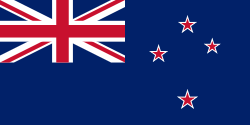
The practical numbers, before the stories.
Worth knowing: Biosecurity checks on arrival are strict. Declare all food, and clean your hiking boots before you fly.
The decisions that determine whether the trip works, whichever country you are going to.
Polynesian navigators reached Aotearoa around 1300 AD, making it one of the last sizeable places on Earth that people settled. Because the only native land mammals were bats, birds filled almost every ecological role, which is why the country's wildlife still looks like an experiment run without cats.
The entries here include the fiord that is misnamed a sound and gets six metres of rain a year, the river granted legal personhood in 2017, the cave ceiling that looks like a star map and is in fact several thousand hungry larvae, and the bridge where commercial bungee jumping began. Hope for rain in Milford. Locals will tell you the same thing.
Everyone hopes for sun. Locals told us to hope for rain, because that is when a thousand temporary waterfalls appear on the cliffs. They were right within an hour.
Nineteen kilometres, four weather systems and a lake the colour of antifreeze. Somebody in shorts passed us going the other way at a run.
We waited eleven minutes and got picked up by a shearer who talked about sheep for two hours and dropped us forty kilometres past his own turnoff.
The boat went silent and the guide pulled us along a rope in the dark. The ceiling looked like a star map and was in fact several thousand hungry larvae.
Food cooked in a pit with hot stones for four hours. The steam when they opened it was worth the entire wait and the whole meal tasted faintly of earth.
The ratio has fallen from twenty to one in the 1980s to around five to one today, still comfortably ahead.
Before humans arrived the only native land mammals were bats, so birds filled almost every ecological role.
Polynesian navigators reached Aotearoa around 1300 AD, making it one of the last large landmasses humans settled.
Carved by glaciers rather than a river, Milford is technically a fiord, and it gets over six metres of rain a year.
In 2017 the Whanganui River was granted legal personhood, with guardians appointed to speak for it.
Geothermal activity vents hydrogen sulphide across the town, earning it the nickname Sulphur City.
The first commercial bungee site opened at the Kawarau Bridge in 1988, inspired by Vanuatu land diving.
Taumata whakatangihanga koauau and its full 85-letter form is the longest official place name in an English-speaking country.
Nothing matched that search on this page. Try a shorter word, or browse by destination.
New Zealand is one of 36 countries in the library. Read straight through a continent, or start from the map of everywhere we have written about.