
Travelling at altitude without ruining your trip
This article is general information, not medical advice. Altitude illness can be fatal. Speak to a doctor before a high-altitude trip, particularly with a heart or lung condition, and follow qualified local guidance. Fitness does not eliminate risk, and symptoms can appear after arrival.
On this page
What is actually happening
The percentage of oxygen stays around 21%; pressure changes. At 3,500 metres, air pressure is around two thirds of sea level, so each breath delivers roughly a third less oxygen. At 5,500 metres it is about half.
Acclimatization takes time and differs between people. Fitness does not protect against altitude illness. Discuss the ascent profile and your medical history with a qualified professional.
The numbers that matter
- Below 2,500 m: most people feel nothing.
- 2,500–3,500 m: mild symptoms are common. Cusco is 3,400 m, Quito 2,850 m and Bogotá 2,640 m.
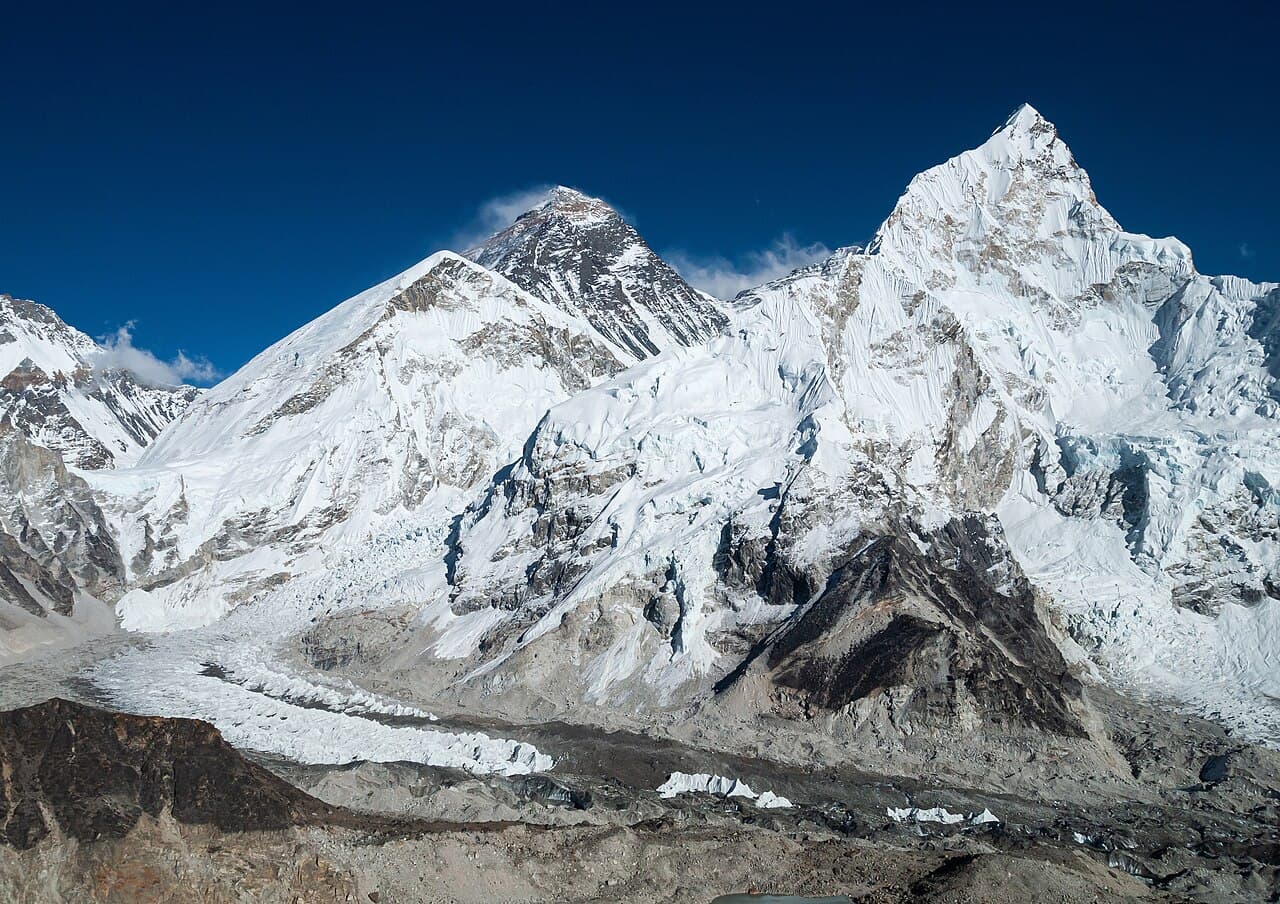
- 3,500–5,500 m: acute mountain sickness is likely without proper ascent. La Paz is around 3,600 m, Leh 3,500 m and Everest Base Camp 5,364 m.
- Above 5,500 m: no one acclimatises indefinitely. The body degrades over time.
The rules that prevent most problems
- Climb high, sleep low. Sleeping altitude is what counts.
- Above 3,000 m, raise sleeping altitude by no more than 300–500 m per night, with a rest day every 1,000 m or so.
- Take the first day off after flying into a high city: no hiking, heavy lunch or alcohol.
- Maintain normal hydration; do not force excessive water intake. Drinking extra water does not prevent altitude illness.
- Avoid alcohol for the first 48 hours and be careful with sleeping tablets, which suppress breathing.
- Eat carbohydrates. Appetite disappears at altitude; eat anyway.
- Walk slower than feels natural. On summit night the steady group passes the fast group sitting in the dark.
Recognising acute mountain sickness
The classic signs are headache plus nausea or loss of appetite, fatigue out of proportion to effort, dizziness or difficulty sleeping. Symptoms typically appear 6 to 12 hours after arriving at a new altitude.
Do not ascend with symptoms of altitude illness. Seek qualified advice; descend if symptoms worsen or fail to improve. Severe symptoms require urgent assistance, not waiting a fixed day. Do not resume ascent until symptoms have resolved.
The two conditions that are emergencies
HACE, high-altitude cerebral oedema, causes confusion, unusual behaviour, severe headache and an inability to walk heel-to-toe in a straight line. Someone affected may not recognise their condition.
HAPE, high-altitude pulmonary oedema, causes breathlessness at rest, persistent cough, chest tightness and extreme fatigue. Breathlessness that does not settle after several minutes of rest is the warning sign.
For either, get emergency assistance and arrange descent promptly with help. Do not leave the affected person alone or undertake unsafe terrain without support. Oxygen and treatment require appropriate expertise and do not replace evacuation when needed.
Medication, honestly
Acetazolamide speeds acclimatisation and is widely prescribed for high-altitude trips. It is a genuine tool, not a licence to ascend faster, and can cause tingling fingers and a metallic taste. It requires a prescription and a doctor’s advice.
Do not rely on coca tea, leaves or other traditional remedies to prevent or treat altitude illness. They are not a substitute for medical assessment or descent.
Planning a trip so altitude is not the problem
Sequence matters. In Peru, a few days in the Sacred Valley, several hundred metres below Cusco, is better before the city than after. In Nepal, standard Everest itineraries include acclimatisation days because the arithmetic demands it.
Build in slack. Two spare days in a two-week high-altitude trip are what let you stop for a day without abandoning the trip.
The small stuff nobody warns you about
- UV increases roughly 10% per 1,000 m, and snow reflects it. Sunburn can happen in an hour, including under your chin.
- Sealed packets inflate and sometimes burst. So do shampoo bottles.
- Water boils below 100°C, so pasta and eggs take longer.
- Sleep is genuinely worse. Periodic breathing at night is normal and unnerving.
- Avoid alcohol while acclimatizing and follow your clinician’s advice; do not rely on a universal drink-equivalence rule.
- Everything takes longer, including getting dressed. Plan shorter days.
Give the mountains the time they ask for
A gradual itinerary reduces risk but cannot eliminate altitude illness. Keep flexibility to stop, descend or cancel, and follow current medical and local safety guidance.
Sources and useful links
Consult these organizations’ current information and conditions. These links do not validate every statement in this guide; schedules, prices and guidance can change.
Animate your itinerary
Once the logistics are sorted, turn the trip into a share-ready animated map.
Open the editor