
Going somewhere without making it worse
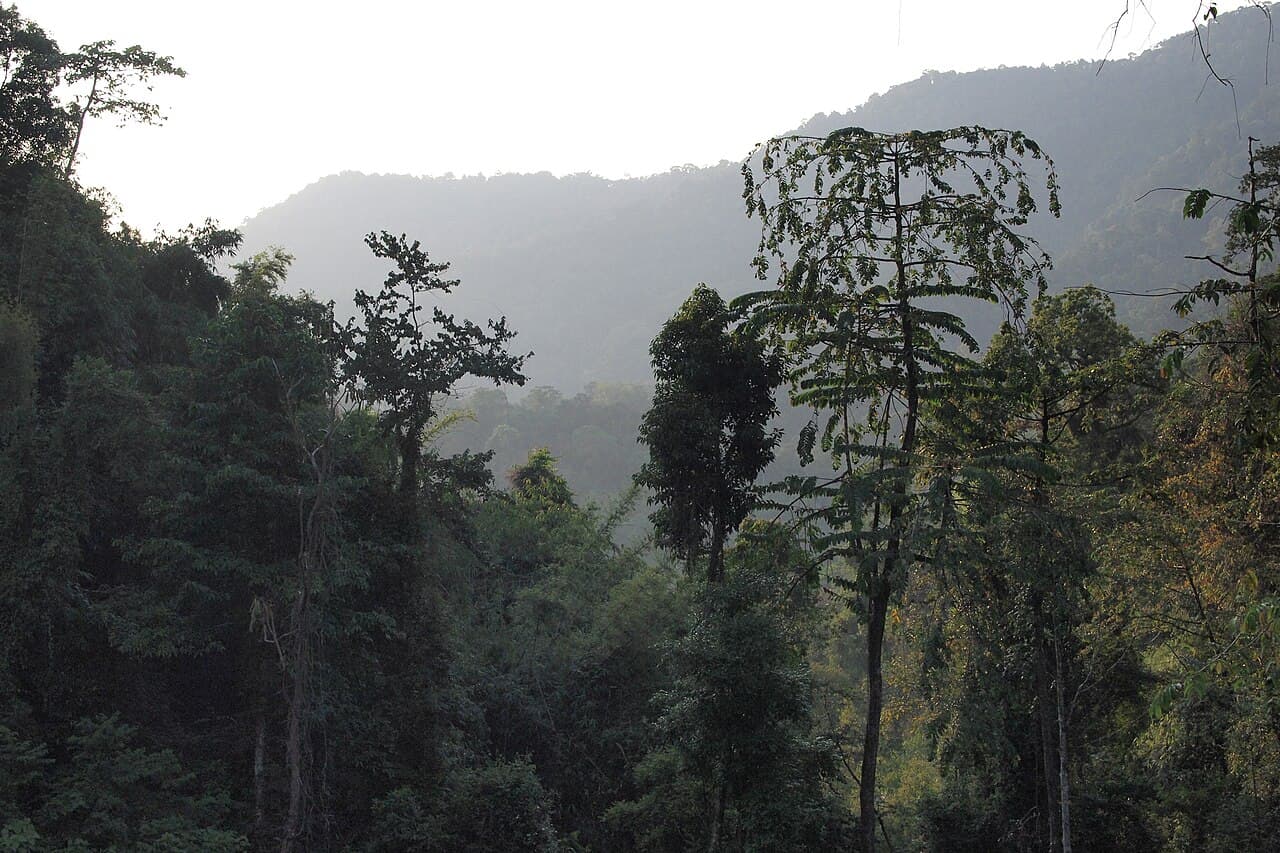
Tourism is one of the largest industries on Earth and it is neither inherently good nor inherently bad for the places it lands on. It funds national parks and drains aquifers; it keeps languages and crafts economically alive and prices families out of their own neighbourhoods. Which of those happens depends substantially on decisions individual travellers make.
On this page
1. Go at a different time of year
This is the highest-impact and lowest-effort change available. Peak-season tourism concentrates enormous pressure into six or eight weeks: on water supply, waste systems, housing, transport and the people who work in it.
Travelling in shoulder season costs you less, gets you more, and measurably helps. There is no trade-off to weigh.
2. Stay longer in fewer places
Overnight visitors spend far more locally than day visitors, so cruise-style day stops extract the least and impose the most. At the same time, short-let apartments in historic centres remove long-term housing stock.
The practical version: stay longer in each place, and stay in a family-run guesthouse, a small hotel or a licensed room rather than an apartment that used to be somebody’s home.
3. Make the money land locally
The share of tourist spending that stays in the destination varies enormously. All-inclusive resorts owned abroad, booked through a foreign platform and staffed on imported supply chains keep very little in the country. A guesthouse, local guide, market stall and family restaurant keep almost all of it.
- Hire local guides. They know where the water is, which track is passable and what you are looking at - and it is one of the few good jobs in many remote regions.
- Eat where the food is bought locally: markets, family restaurants and street stalls.
- Buy things made where you are, from the person who made them. Ask what it is and how long it took.
- Pay the local price without haggling it to the floor. Grinding a stallholder down over the equivalent of a coffee is not cultural participation.
- Tip according to local norms: expected in the United States, unusual in Japan and rounded up in much of Europe.
4. The animal question, answered simply
This is where well-meaning travellers most often do harm, because the marketing is designed to be reassuring. A workable rule: if you can touch it, ride it, hold it, swim with it on demand or watch it perform, it is almost certainly not a sanctuary.
Wild animals do not tolerate close human contact without training that involves suffering, sedation or removal from the wild as infants. Good wildlife experiences keep animals at a distance, in their own habitat, on their own terms, with limits on group size and time.
5. Water, waste and the things that are actually scarce
In much of the world a hotel guest uses more water per day than a local household. On islands and in deserts, that water is desalinated or trucked in.
- Reuse towels, take shorter showers, and do not use a pool in a place with water restrictions.
- Carry a refillable bottle, and a filter where tap water is a question. Plastic bottles in places with no waste infrastructure always end up in the same few places.
- Take batteries, wipes and packaging out with you if the destination cannot process them.
- Follow local sunscreen restrictions and use shade and protective clothing. A “reef-safe” label alone does not certify absence of environmental impact.
6. Fly less, stay longer
Flying is the largest single component of most trips’ carbon footprint, and no amount of towel reuse offsets a short-haul weekend. The two changes that count are taking fewer, longer trips and choosing rail where it is competitive - nearly everywhere under about six hours city centre to city centre.
Direct flights beat connections because take-off and climb dominate fuel use. Economy class has a fraction of the per-passenger footprint of business because of floor area. Treat offsets as a donation, not a licence.
7. Behave like a guest, because you are one
Learn ten words. Dress as the place expects at religious sites. Ask before photographing. Find out what the rules are and respect them. Do not climb on sacred things or take pieces of a place home.
The best short version belongs to the outdoors: leave it better than you found it. Take nothing but pictures, leave nothing but footprints.
What not to worry about
Some things get moralised far beyond their impact. Whether you use a paper or digital ticket is irrelevant. Whether you buy a souvenir is irrelevant. Whether you visit a country at all is usually the wrong question; the people who lose most when tourism collapses are those who depend on it.
The decisions that matter are when you go, how long you stay, how you get there, where you sleep, who you pay, and whether you touch the wildlife. Get those six right and you are doing more than almost anyone else on the plane.
Sources and useful links
Consult these organizations’ current information and conditions. These links do not validate every statement in this guide; schedules, prices and guidance can change.
Animate your itinerary
Once the logistics are sorted, turn the trip into a share-ready animated map.
Open the editor