
Taking travel photographs you will actually look at again
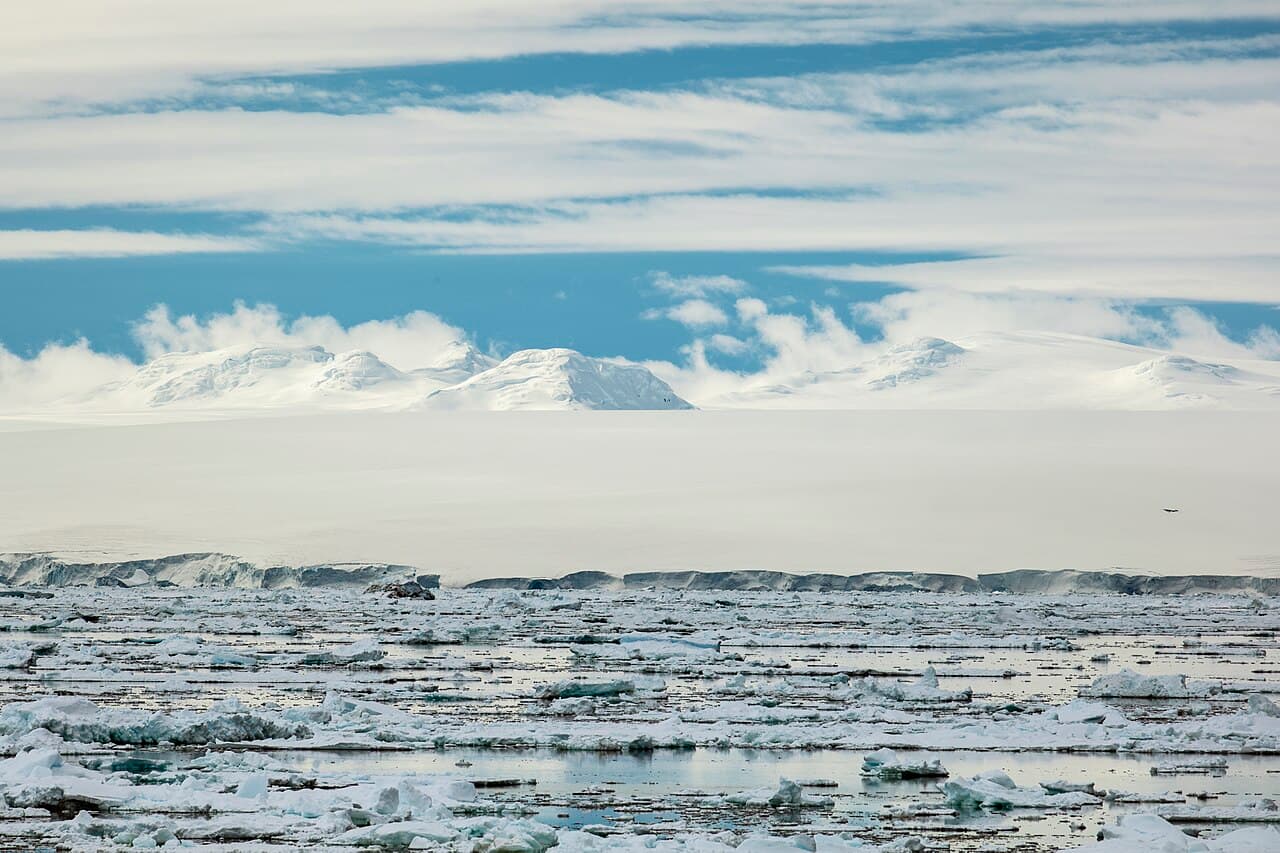
Most travel photographs are never looked at twice. Not because they are badly taken, but because they were taken as a record rather than as a picture - proof of attendance, filed and forgotten. The photographs people return to were taken deliberately, in good light, with something in the frame that gives scale or a human presence.
On this page
Light decides almost everything
The single largest difference between a photograph that works and one that does not is the hour it was taken. Midday sun is directly overhead, high contrast and flattening - the worst light of the day, and the time most people are sightseeing.
- The hour after sunrise and the hour before sunset give warm, low, directional light that models shape. Everything looks better and there are fewer people in the way.
- The twenty minutes after sunset - blue hour - is when city lights balance with the sky. Photograph skylines, bridges and lit windows then, not at midnight.
- Overcast is not bad light. It is an enormous softbox, ideal for markets, forests, portraits and detail.
- Rain is excellent and nearly nobody shoots in it: reflections, umbrellas, wet stone and steam.
Put something in the front of the frame
A wide view of a valley reads as flat because the eye has no reference. Adding something close - a rock, doorway, branch or person’s back - gives depth and scale immediately.
This is the difference between “I was at the Grand Canyon” and a photograph of the Grand Canyon. It is also why one viewpoint produces a thousand identical pictures: everyone stands in the same place and shoots the same middle distance.
Move your feet before you touch the zoom
Two steps left, crouching down or climbing three stairs will change a composition more than any setting. Low angles make things feel large; high angles make patterns readable. Shooting through an archway, window or foliage frames the subject and adds layers.
The most common improvement available to any traveller is simply: get closer.
Photographing people, properly
Pictures of people are the ones that last, and they are the ones people are most nervous about taking.
- Ask. A gesture at the camera and a smile is understood everywhere. Being refused occasionally is a fair price.
- Buy something first if you are in a market. It changes the exchange from extraction to interaction.
- Photograph hands and work, not just faces.
- Stay for a minute afterwards. The second and third frames, once the pose relaxes, are the good ones.
- Never photograph children without a parent’s clear agreement, and do not photograph anyone in distress, in poverty or at prayer as though they are scenery.
- Respect places that prohibit photography, including ceremonies, monasteries, memorials and some communities.
The twenty-four exposure discipline
A film camera gives you twenty-four frames for a two-week trip, which forces you to look before pressing. You cannot replicate the scarcity on a phone, but you can replicate the behaviour.
Before each photograph, ask what the subject is and why the frame is this shape. Take three frames, not thirty. Then edit that evening. Ten minutes a day deleting near-duplicates leaves a set you will actually revisit instead of four thousand files you never open.
Phone settings worth changing once
- Turn on the grid. It fixes crooked horizons, the most common flaw in travel photographs.
- Tap to set exposure, then drag down slightly. Modern phones over-brighten, and highlights cannot be recovered.
- Use the main lens rather than digital zoom. Crop later if you must.
- Shoot in the highest quality format your storage allows, and back up over hotel Wi-Fi each evening.
- Night mode works remarkably well if you brace the phone against a wall or railing.
Photograph the ordinary things
The frames that age best are rarely the monuments. They are breakfast, the bus ticket on the table, laundry across the street, the guesthouse tiles and the handwritten sign. Ten years later the cathedral looks as it did on every postcard; the café that has become a phone shop does not.
And then put the camera down
The best moment of most trips has no photograph. Everyone was holding something, eating or laughing, and by the time anybody thought about a camera it was over. That is not a failure of documentation.
If a strong aurora fills the sky or a silverback walks past within arm’s length, spend the first five minutes watching. Take fewer pictures, take them at better hours, and keep the ones that mean something. The rest is storage.
Animate your itinerary
Once the logistics are sorted, turn the trip into a share-ready animated map.
Open the editor