
Why shoulder season beats high season almost every time
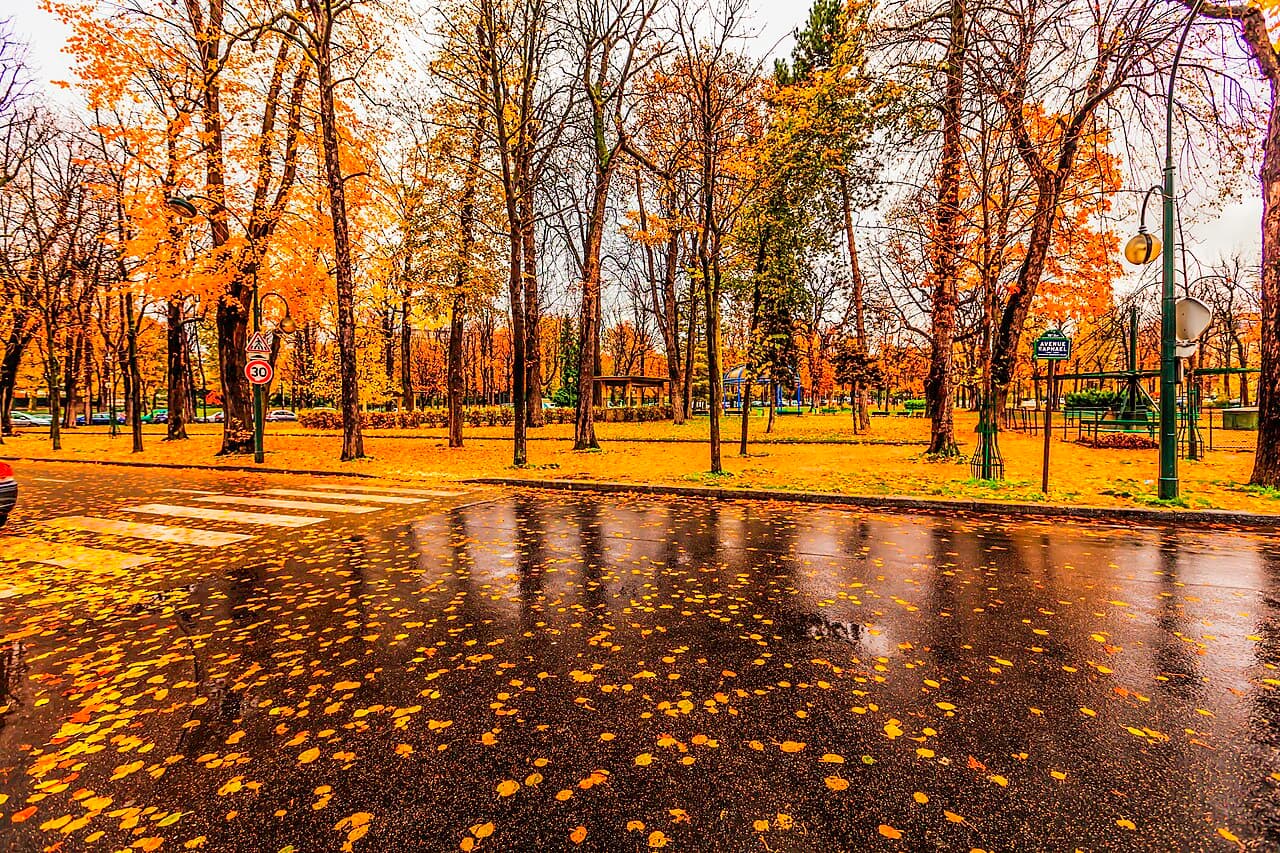
Shoulder season is the few weeks either side of peak: late spring before schools break up and early autumn after they return. Prices drop, queues shorten, restaurant owners have time to talk, and the weather does roughly what it did three weeks earlier. For most destinations and travellers, it is straightforwardly the best time to go.
On this page
What you actually gain
- Price. Some dates outside the busiest period may cost less, but compare current quotes for the same services; there is no guaranteed percentage saving.
- Space. Famous sights keep the same opening hours with a fraction of the queue.
- Attention. Outside peak season, the person serving you has time, which is where recommendations come from.
- Light. Lower sun angles in September and October improve photographs and make midday usable.
- Sea temperature. The Mediterranean is warmer in late September than June because water lags air by about two months.
How to find the shoulder season for anywhere
Look for the gap between weather turning good and crowds arriving, or between crowds leaving and weather turning bad.
- Check monthly average temperature and rainfall, looking for acceptable rather than ideal conditions.
- Find local school holiday dates. Domestic tourism drives more crowding than international arrivals in most countries.
- Check the flight price calendar for a whole year. Price is the most honest crowd forecast and shows the exact week the market thinks the season begins.
Some worked examples
Mediterranean Europe: mid-May to mid-June, and mid-September to mid-October. Warm sea in autumn, wildflowers in spring, and no August prices.
Japan: late May and early June before the rainy season, or late November after peak autumn colour.
Iceland: September. Nights are dark enough for aurora, roads remain open and summer coach traffic has gone.
Southeast Asia: the edges of the monsoon often bring an afternoon downpour and clear morning; plan around the predictable rain.
Southern Africa: the transition between wet and dry is excellent for birds and green landscapes, though wildlife concentrates at water later in the dry season.
Patagonia: March, when summer crowds leave and autumn colour reaches the beech forests.
When shoulder season is a bad idea
- Anything altitude-dependent. High passes, mountain huts and alpine trails open and close on their own schedule.
- Islands with a single ferry. Off-season service can drop from daily to twice weekly.
- Places that genuinely close. A resort with two restaurants and no bar open is not charming for a week.
- Specific natural events. Migrations, blossoms, whale seasons and aurora peaks do not negotiate.
Build the trip around bad weather instead of hoping
The real cost of shoulder season is variance. Some days will be wet. Choose destinations where a rainy day is still a good day: museums, thermal baths, covered markets, long lunches and good bookshops absorb bad weather.
Alternate a few days somewhere indoors-capable with a few days somewhere outdoors-dependent so a bad forecast can be swapped rather than endured.
The quiet argument
Peak-season tourism concentrates enormous pressure into eight weeks: on water, housing, transport and residents. Spreading demand across the year is one of the few things an individual traveller can do that measurably helps, and it is also the version you will enjoy more.
Half the price, a third of the people, and the weather does what it likes. Two out of three is a very good trade.
Animate your itinerary
Once the logistics are sorted, turn the trip into a share-ready animated map.
Open the editor