
Island hopping without losing days to ferries
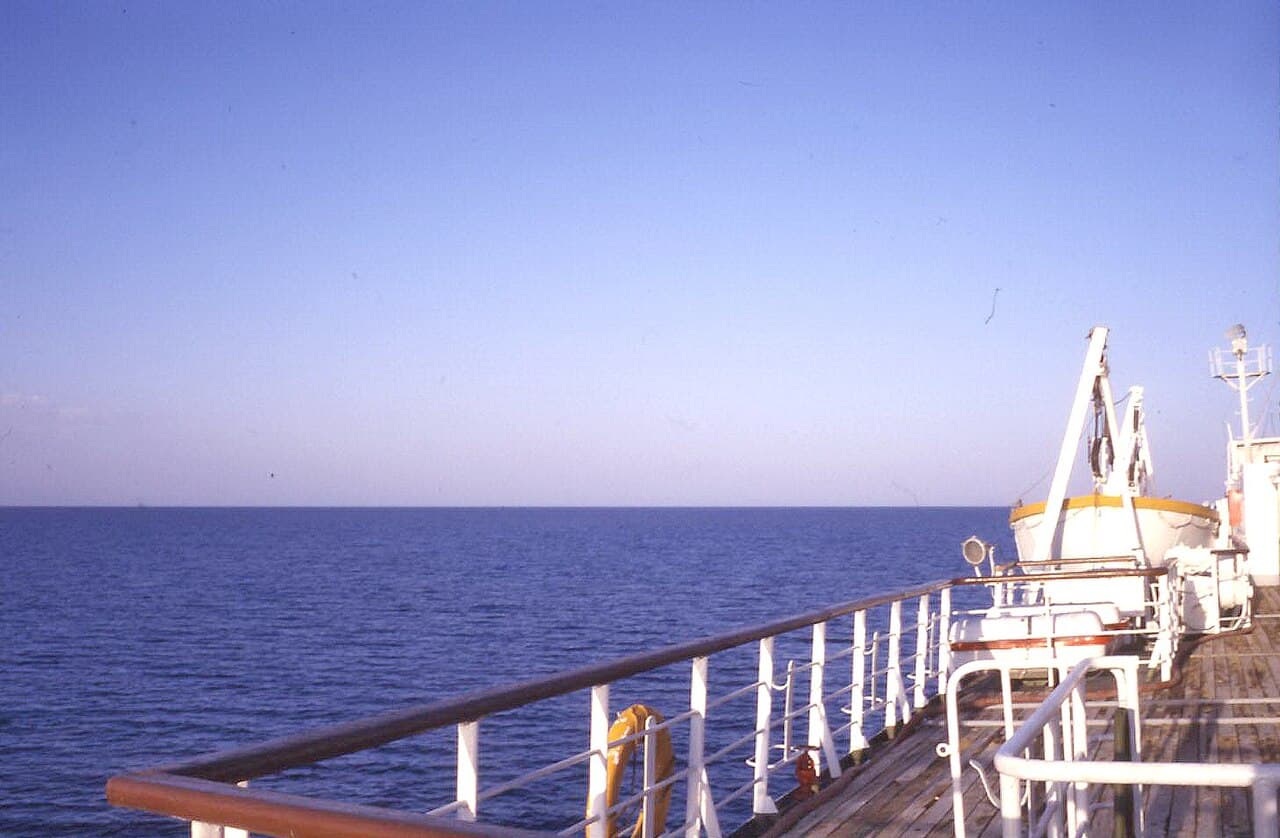
Island hopping looks like the most relaxed way to travel and is in fact the one that punishes bad planning hardest. Roads can be driven at any hour; boats cannot. Miss the 07:10 and the next one may be tomorrow, or Thursday. The constraints are knowable in advance, and an hour with a timetable before you book is worth several days on the trip.
On this page
Start from the boats, not from the islands
Almost everyone plans this backwards: pick five appealing islands, then try to connect them. Ferry networks are hub-and-spoke, not point-to-point, and two islands you can see from each other may have no direct service.
Find the ferry operators for the region, look at what actually runs on your dates, and build the route along existing lines. In Greece, understand which island group you are in: the Cyclades, Dodecanese and Ionian are largely separate networks.
The rules that stop a route falling apart
- Three islands in ten days, not six. Every move costs the best part of a day once you count check-out, the port, the crossing and finding the next bed.
- Minimum two nights per island, ideally three. One night means you see the port and leave.
- Go one way. Chain the islands outward and fly home from the far end, or fly out and work back.
- Put the buffer at the end, not the middle. Spend the last two nights on an island with an airport, or on the mainland.
- Check the day of the week. Many routes run daily in August and twice weekly in May, and the timetable online may be last season’s.
Reading a ferry timetable properly
The vessel type matters. High-speed catamarans are roughly twice as fast and considerably more expensive, and they are the first cancelled when the wind rises. Conventional ferries are slower, cheaper, more stable and run in weather that grounds the fast boats.
Check the port, not just the island. Larger islands have several ports, sometimes an hour apart by road. Also check the season markers: shoulder-season timetables can describe a completely different network.
Booking ahead or on the day
- Foot passenger, off season: buy at the port. Flexibility is worth more than the seat.
- Foot passenger, high season, popular route: book a few days ahead. Some sailings genuinely sell out.
- With a vehicle: always book ahead. Vehicle space is the first thing to go.
- For a public holiday or local festival: book as early as possible. Domestic demand is far larger than tourist demand.
- Keep tickets on paper as well as on your phone. Port Wi-Fi is theoretical, and a dead battery at a gangway is not a negotiation you win.
When the wind gets up
Sooner or later a sailing is cancelled. In the Aegean the meltemi blows hard through July and August; in the Philippines a typhoon can stop every ferry for four days; in the Scottish islands winter gales rewrite the timetable weekly.
- Assume it will happen once. Build in a spare day before any flight.
- Ask locally rather than online. The port office knows twelve hours before the website does.
- If a cancellation is likely, move a day early. Being stuck on the island with the airport is better than being stuck on the one without.
- Accept it gracefully. An unplanned delay can become one of the trip’s best memories.
Getting around once you are there
Small islands are frequently better on foot or by bicycle, and the local bus is usually more useful than its reputation.
Scooters are the default on many islands and also a leading cause of holiday injuries. Check that your insurance covers you, that you hold the required licence category, and wear the helmet. Gravel, sand on tarmac and unlit roads at night are the specific hazards.
Choosing which islands
A pattern that works well: one island with infrastructure, one with landscape and one that is genuinely quiet. You get a good meal and pharmacy on the first, walking or diving on the second, and the reason you came on the third.
Resist seeing the famous one at all costs. Greece has around 6,000 islands and islets, Indonesia roughly 17,500 and the Philippines more than 7,600. Whatever you skip, there is more of it next door with a tenth of the boats.
The small print that saves the day
- Carry cash. Small islands may have one ATM and it can be empty on a Sunday.
- Check the drinking water. Some islands desalinate, and the tap water is not always potable.
- Pharmacy hours are short and the nearest hospital may be a boat ride away.
- Book the first night’s accommodation before you sail.
- Check the last boat time on the day you leave, then check it again at the port.
Sources and useful links
Consult these organizations’ current information and conditions. These links do not validate every statement in this guide; schedules, prices and guidance can change.
Animate your itinerary
Once the logistics are sorted, turn the trip into a share-ready animated map.
Open the editor