
Crossing a continent by train
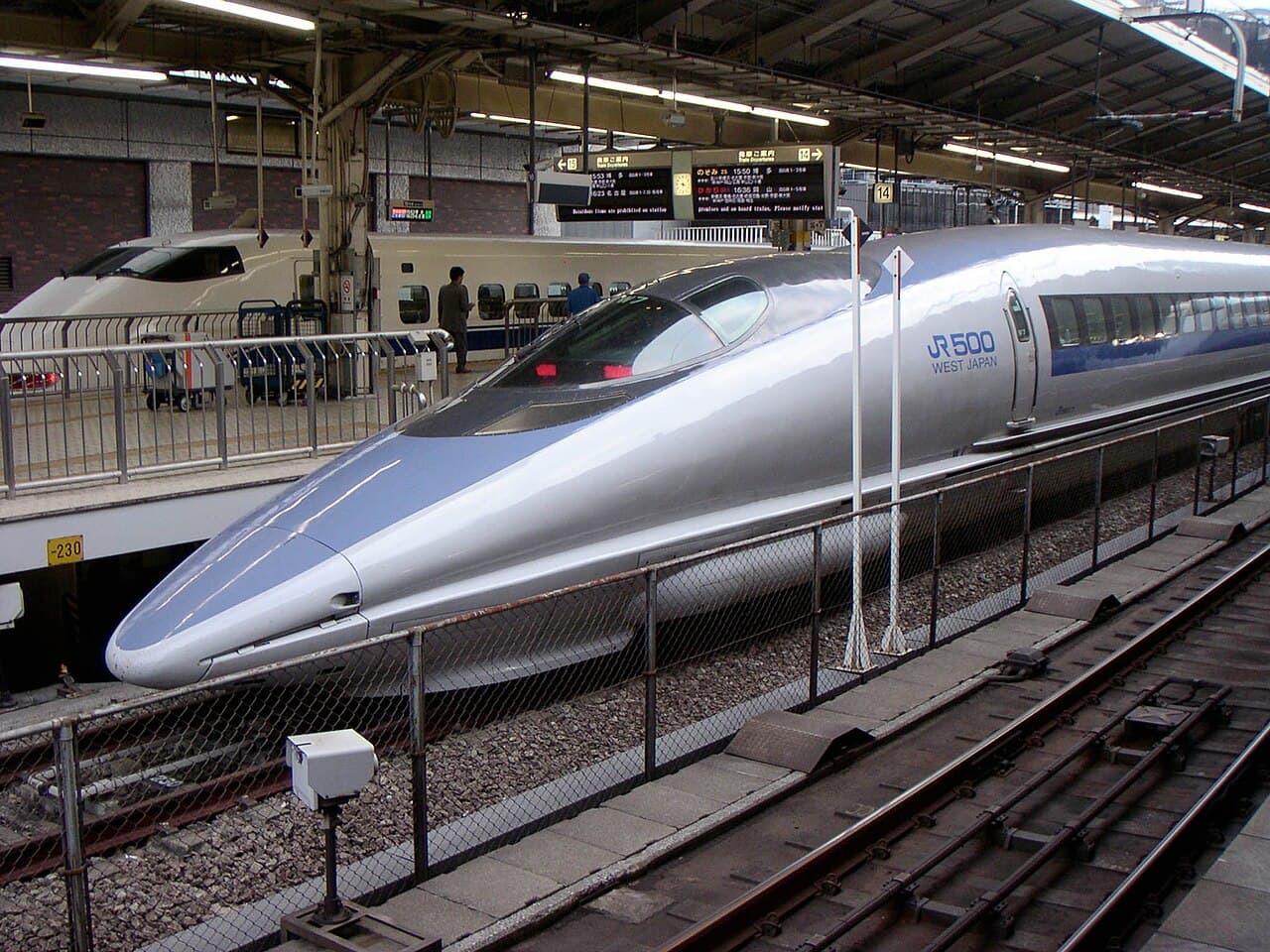
There is a threshold around four hours where the train stops being the slow option: no airport transfer, security theatre or baggage carousel, a seat you can leave, a window worth looking out of, and stations in the middle of both cities. Above that threshold, the sleeper train can remove the journey from your waking life entirely.
On this page
The four-hour rule, and why it is really a six-hour rule
City centre to city centre, a four-hour train usually beats flying after the airport journey, early arrival, flight and transfer back into town. Paris–London, Madrid–Barcelona, Tokyo–Osaka and Milan–Rome are comfortably in train territory.
The threshold is closer to six hours if you value the time. On a train you can work, eat, sleep, walk and use your phone. Four hours of usable time beats ninety minutes in the air plus three hours of queues.
How sleeper trains actually work
Sleepers are where people often book the cheapest option and then regret it. The tiers are broadly consistent across countries.
- Seats: cheapest and survivable for one night if necessary, but you will not sleep well.
- Couchettes: four or six bunks in a shared compartment, bedding provided, sociable and a lottery on snoring.
- Sleepers: one to three berths, washbasin and a door that locks properly. This is the tier worth paying for.
- Private sleepers with a shower: expensive, but sometimes cheaper than a hotel plus flight.
- Berths sell much earlier than seats, often months ahead in summer, and prices rise steeply.
Booking: the one rule that saves the most money
Booking windows and advance fares differ by operator, route and timetable period. Check official sales dates, seat reservations, exchange conditions and any disruptions before relying on a connection.
Find out when booking opens for your exact route and book that day. A walk-up fare can cost four times the advance fare. Flexible passes make sense for many long hops in a short window, rarely for three or four journeys.
Routes worth taking for their own sake
The Trans-Siberian covers 9,289 kilometres from Moscow to Vladivostok, roughly seven days without stops, seven time zones and 87 cities.
The Bernina and Glacier lines in Switzerland climb through spiral tunnels and over World Heritage viaducts.
Sri Lanka’s hill-country line to Ella runs through tea plantations with the doors open.
Indian Railways is not one scenic route but a country: tens of millions of passengers and the best place to meet people you did not ask to meet.
Canada’s transcontinental gives priority to freight, so the passenger service can run hours late while the dining car keeps serving like a hotel on wheels.
Practicalities that make a long journey pleasant
- Book a forward-facing seat away from the sun for the longest leg.
- Bring more food than you need and something to share. Sharing food is the fastest social currency on a train.
- Carry a power bank because sockets on older rolling stock are theoretical.
- Bring earplugs and an eye mask even in a private sleeper.
- Carry a refillable bottle. Some trains have hot water; some have nothing.
- Download offline maps. Knowing which unannounced station you are at is surprisingly useful.
The argument that has nothing to do with time
The real case for rail is not efficiency. A train gives you the distance back. Flying deletes the space between two places; a train makes you cross it: suburbs thinning, crops changing, roof tiles changing colour and platform announcements shifting language around lunchtime.
That is why a fourteen-hour train is not fourteen hours wasted. It is the trip, rather than the gap before it starts.
Sources and useful links
Consult these organizations’ current information and conditions. These links do not validate every statement in this guide; schedules, prices and guidance can change.
Animate your itinerary
Once the logistics are sorted, turn the trip into a share-ready animated map.
Open the editor